
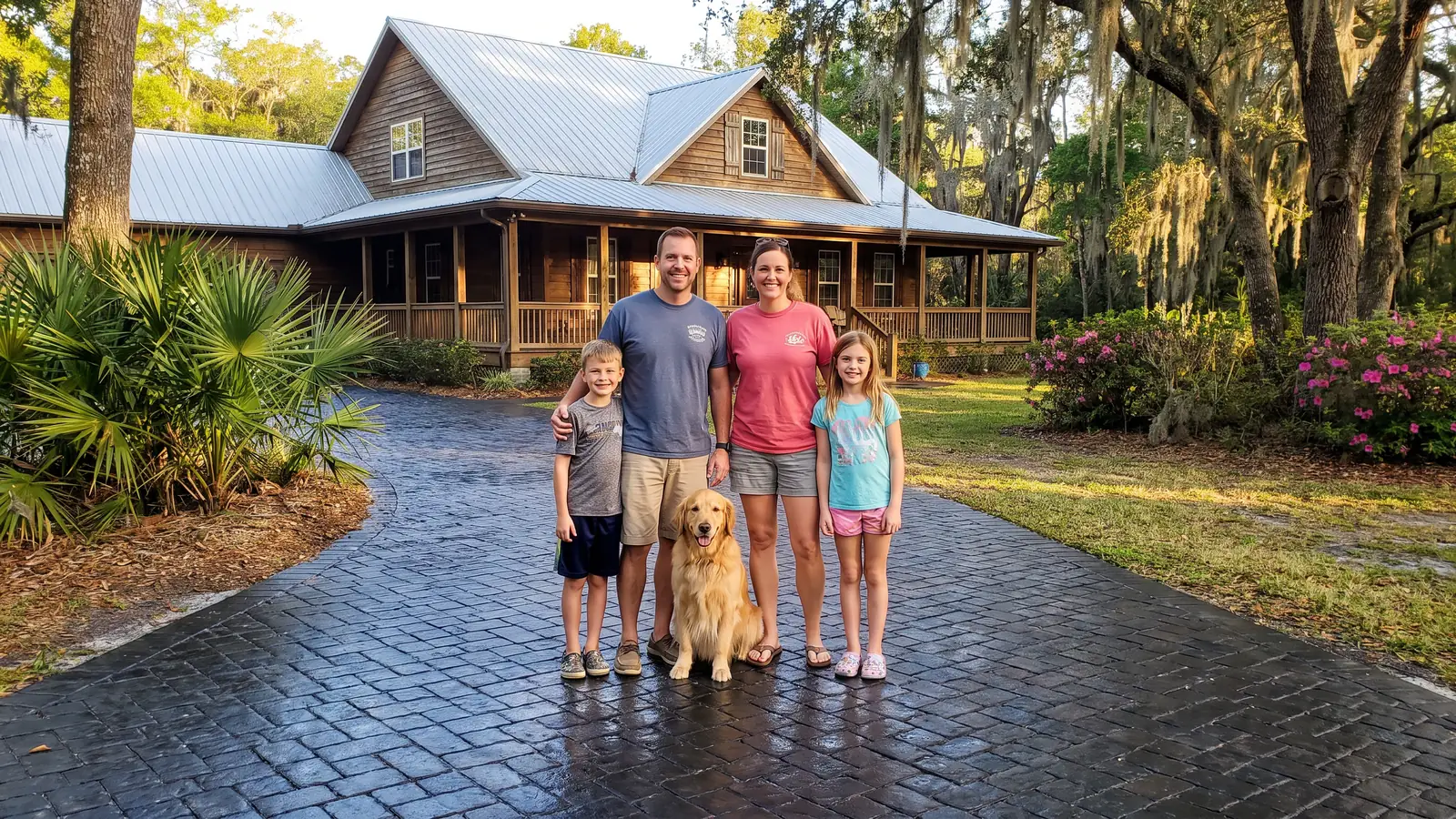
Paver sealing for San Marco homes
Paver Sealing in San Marco, FL
Around San Marco Square, old brick and newer pavers can both get a free sealing estimate; call (904) 590-4776.
- Brings out deeper paver color
- Fresh joint sand helps lock pavers in place
- Gives weeds less room to grow
- Makes the surface easier to keep clean
- Free estimate, no obligation
Request a Free Estimate
Free, no obligation.
Fast, careful paver sealing in San Marco
Paver sealing is available across San Marco, from the streets around San Marco Square to the blocks of Colonial Manor and South Riverside. Courtyards, driveways and walkways get a wash, new joint sand and a sealer coat from a local contractor, and the estimate is free. A San Marco owner who asks to request a free estimate gets a reply within 1 business day, usually much sooner.
Picture a courtyard where the joints have darkened, the corners have gone green and the brick beside the pavers looks tired. A careful wash, a fresh fill of sand and the right sealer for each surface bring it back together. To talk it through first, call (904) 590-4776 and describe your yard. No obligation comes with the estimate.
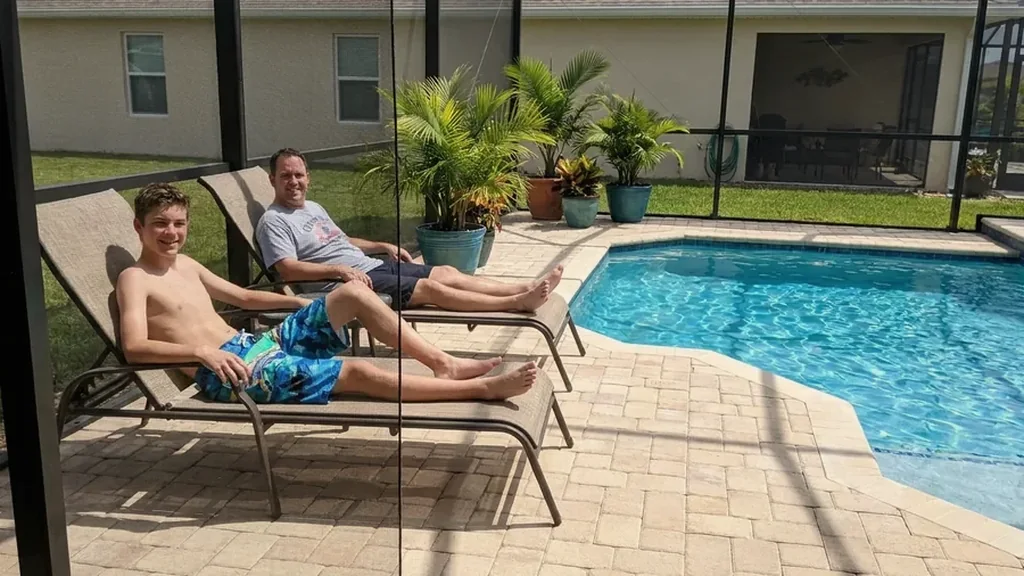
Why hire a local paver sealing contractor in San Marco?
San Marco mixes a 1925 plan, tight lots and shaded courtyards, and each one changes how a contractor seals pavers. To hear how that applies to your property, request a free estimate.
A close look, free
A local contractor studies each surface in your San Marco yard, brick included, and prices the work before you commit.
A fair range
Local companies post $1.75 to $3.25 per square foot to clean, sand and seal. Courtyards often price above the low end.
Matched to the material
Clay brick, concrete pavers and stone are not sealed alike. Expect the estimate to say which product goes on which surface.
Easy to decline
Taking an estimate commits you to nothing. A reply comes within 1 business day, usually sooner.
Get Your Free Estimate in San Marco
Tell us about your pavers in San Marco.
Free, no obligation
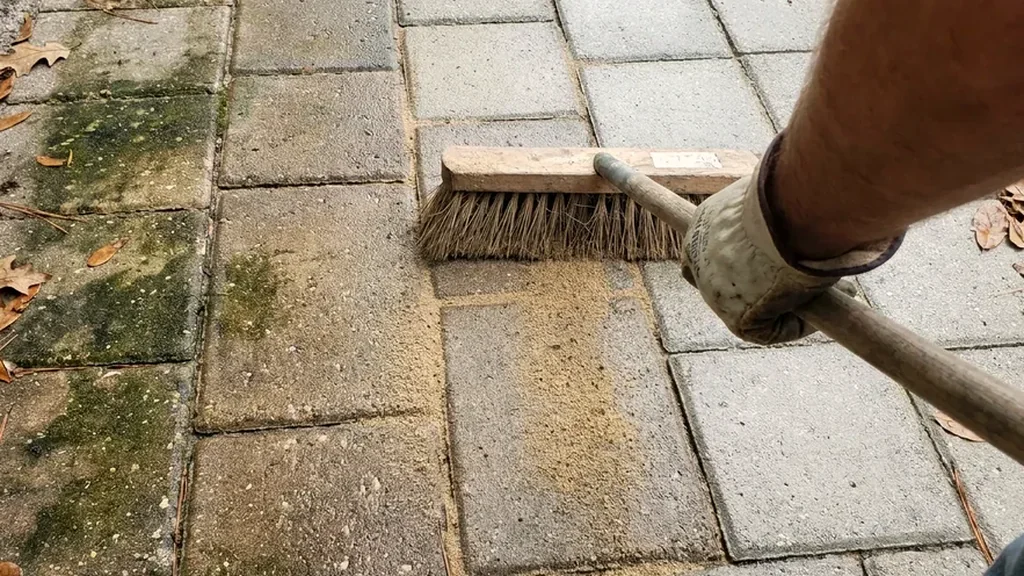
What paver problems show up most in San Marco?
Brick and pavers in one yard
Old clay brick usually gets a silane or siloxane product, one Northeast Florida company says, which keeps water out and leaves the look alone. Film-forming acrylic suits concrete pavers. A yard with both needs two products. A film sealer on old brick can trap moisture and cause flaking and haze, so the contractor should name the product for each surface. Ask for the product names in the written estimate, and keep them for the next coat. Mixed yards are common in older neighborhoods, so raise the question early at the estimate. A brick walk and a concrete drive in one yard are two jobs under one price.
Moisture locked under the coat
A brick maker's FAQ warns that sealant should never go over damp or dirty surfaces, or over efflorescence, because those conditions get locked in permanently. Most of Jacksonville's 52 inches of yearly rain falls from May to September. In a shaded San Marco courtyard, the surface can take a while to dry. The contractor waits for it instead of rushing the coat. A day of waiting costs far less than stripping a cloudy surface. Courtyards with walls on several sides can hold humidity, so the drying window may run longer than on an open drive. Efflorescence shows up as chalky white deposits on brick and pavers alike, and it has to be treated before sealing.
Shade, moss and oak tannins
San Marco has 14 parks, and Landon Park is shaded by large magnolias and oaks. Moss and algae should not grow on concrete pavers unless shade is heavy, a landscape trade source says. A Jacksonville sealing company adds that driveways collect tannins from oak leaves. If trees cover your pavers, the dark film comes off in the wash, not under a sealer. Trimming branches back also lets the surface dry faster after rain, which helps the coat last. Oaks are part of San Marco's character, and a light trim lets a courtyard dry out sooner. Raking leaves before the wash helps the contractor see the surface.
Tight lots and small courtyards
Safe Touch describes San Marco and Saint Nicholas as historic brick, tight lots and courtyards. A Jacksonville pressure washing company says smaller jobs cost more per square foot because setup time is spread over less surface, and tight side yards and gates add prep time. A small courtyard is still worth sealing, since the color and the joints matter as much as on a big drive. Just expect the per-foot price to sit higher, and ask about a minimum job size. A small courtyard may take less than a morning to wash, but the joints and the drying still set the full schedule. Even a small courtyard has joints to fill, edges to clean and a surface to dry.
Sealer over an older coat
The median home in Alexandria Place, a San Marco-area subdivision, was built in 1939. Homes that old have had many owners and many hands on the pavers. Water-based sealer cannot go over solvent-based sealer, and Safe Touch says strip-and-reseal costs more when the old coat has failed. The contractor works out what is on the surface before choosing a product. Old receipts, product names or a neighbor's tip can help narrow it down. Receipts, an invoice from an earlier job or a photo of a product label can save a day of guessing. Strip-and-reseal costs more than a plain reseal, according to Safe Touch, so an old coat changes the number.
Do San Marco's historic streets add steps before paver sealing?
Sometimes, if your address sits in a historic district or is a designated landmark. The City of Jacksonville requires a Certificate of Appropriateness for exterior work there, and it names driveways as an example. The city's page does not mention sealing by name, so ask before you book. When you know what applies, request a free estimate.
The old Villa Alexandria estate's 80 acres became San Marco in 1925, and the 250 lots sold in three hours. It was planned in Italian Renaissance revival style, with winding streets, planted medians and parks. Colonial Manor and South Riverside sit inside it, and Saint Nicholas lies just to the east. Call (904) 590-4776 and tell the contractor which part you are in.
A median build year of 1939 in Alexandria Place suggests older walks, steps and courtyards, laid at different times. A contractor who finds brick steps meeting concrete pavers will plan for two surfaces and two products. That is a common San Marco job, and it is worth saying so up front so the quote covers both. To start, request a free estimate, and say whether your yard has brick, concrete pavers or both.
What does paver sealing cost in San Marco?
Companies posting prices around Northeast Florida land between $1.75 and $3.25 per square foot to clean, sand and seal. A San Marco courtyard or short drive is a smaller job, and smaller jobs cost more per square foot because setup time is spread over less surface. Brick and stone are more porous and need different sealer chemistry, a Jacksonville guide says. To price your property, request a free estimate.
Prep decides most of the bill. A Northeast Florida paver company says prep work such as mildew removal, rust treatment or stripping old film affects price more than the sealer does. A gate that is locked or a path that is narrow adds time as well. Call (904) 590-4776 and mention how a contractor would reach your yard.
| Paved area | Typical example | Clean, sand and seal |
|---|---|---|
| 300 sq ft | Small patio or walkway | $525 to $975 |
| 600 sq ft | Two car driveway | $1,050 to $1,950 |
| 1,000 sq ft | Large driveway or pool deck | $1,750 to $3,250 |
| 1,500 sq ft | Driveway plus pool deck | $2,625 to $4,875 |
Math based on the $1.75 to $3.25 per square foot that Northeast Florida paver companies publish. Your contractor sets the actual price after seeing the surface. Repairs, leveling and stripping failed sealer are usually extra.
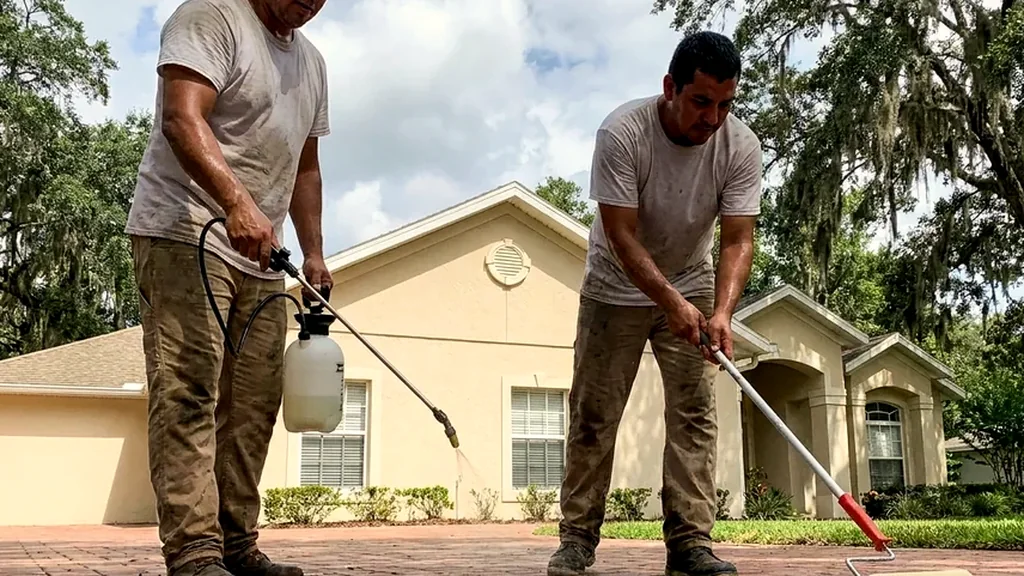
How does a paver sealing job work in San Marco?
Sort the surfaces first
The contractor sorts what is in your yard: clay brick, concrete pavers, travertine or stone. Each is porous in its own way, and each takes its own product. Dips, lifted edges and tree-root heave get noted, since sealing preserves a sunken section instead of fixing it. Any coat already on the surface matters, because water-based sealer will not go over solvent-based sealer. Mark any spot where brick meets concrete, since that seam is where two sealers can overlap by mistake. A clay brick step may get one sealer while the pavers beside it get another.
Wash with care
Dirt, mildew, tannin stains and rust come off in the wash. A trade supplier warns that more than 3,000 PSI on standard concrete pavers risks stripping the surface, and old brick calls for a gentler hand still. Any white haze from efflorescence is treated at this stage. Sealer would lock it in, so it has to be cleared first. Rust marks and fertilizer stains get the same treatment. Brick gets a gentler method than concrete, and the contractor should say so before the wash starts. Efflorescence is treated before any coat goes on.
Fill the joints
The wash takes out joint sand, so the joints are filled again and swept before sealing. Full joints keep the pavers firm, with no gap for weeds. In a tight courtyard, the sweep is done by hand, one narrow lane at a time. If your joints have sat empty for a while, this step takes a little longer. A narrow courtyard gets swept by hand, with care taken around plant pots and wall bases. Fresh sand is swept in a few passes so nothing sits on the surface.
Let it dry, truly dry
One brick maker's FAQ tells owners never to seal over damp or dirty surfaces. A Surebond bulletin says most of its sealers need 24 hours to dry after cleaning or rain, then 24 dry hours after application. Shaded courtyards dry slower than open drives. A careful contractor moves the date instead of sealing wet, even if the forecast looked good the day before. If the forecast shows even a chance of afternoon rain, a careful contractor holds the sealer another day. Shaded courtyards take longer to dry than open drives.
Apply the right sealer to each surface
Brick may get a breathable penetrating product, and concrete pavers a film-forming one. In Jacksonville, pros usually spray and back-roll, one company says, to cover evenly and work sealer into the joints. Two to five years between coats is a common quote. Plan to keep cars and furniture off for about a day, and ask the contractor to confirm the window for your product. Penetrating products often leave brick looking untouched, so do not expect a glossy change there. Keep furniture and planters off the surface until the contractor says it is ready.
Complete paver services in San Marco
A San Marco job starts with a wash and ends with a coat, and the middle matters. New sand goes into the joints after the wash. The surface must then be fully dry before any sealer is applied. To hear how long that takes in your courtyard, call (904) 590-4776.
Courtyards, driveways and front walks wear differently, and each gets looked at on its own. An oak-shaded courtyard stays damp and collects tannins, while an open drive fades and takes tire marks. Brick steps may need a separate product. Describe your yard when you request a free estimate.
Two sealer families matter here. Film-forming sealers sit on the surface, and penetrating sealers soak in and leave the look alone. Old clay brick tends to suit the second kind. A mixed yard may take one of each, so call (904) 590-4776 to talk it through.
The calendar follows the rain. Most of Jacksonville's 52 inches falls from May to September, often in short, hard storms, and November through April is the driest stretch. A Jacksonville company says spring and fall bring the steadiest weather. To plan a date, request a free estimate.
Questions to ask before you hire
- Will you send a written estimate before any work begins?
- Will you test a small spot before you seal the whole driveway?
- How do you remove the green algae near the sprinkler heads?
- Can you tell me what is in the sealer you plan to use?
- Do you pressure wash with a surface cleaner or only a wand?
- Does the sealer you use leave a wet look or a natural matte finish?
- What happens if it rains the night after the job?
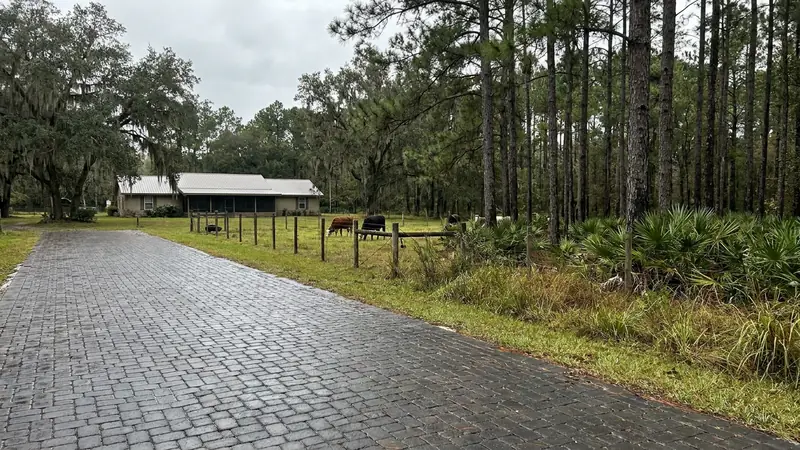
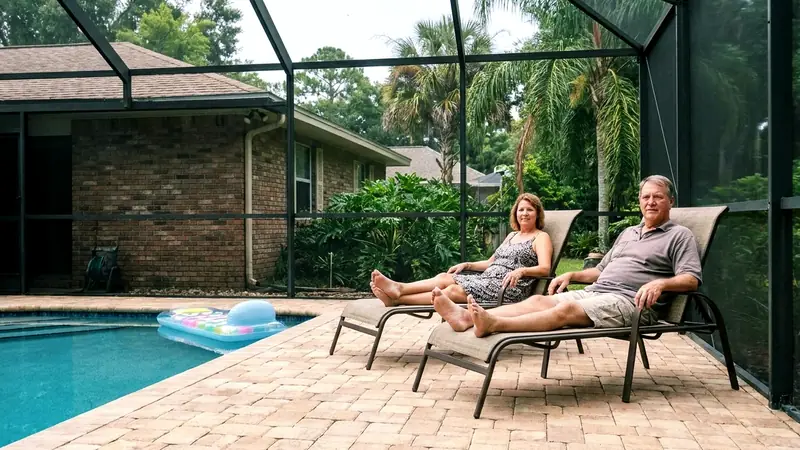
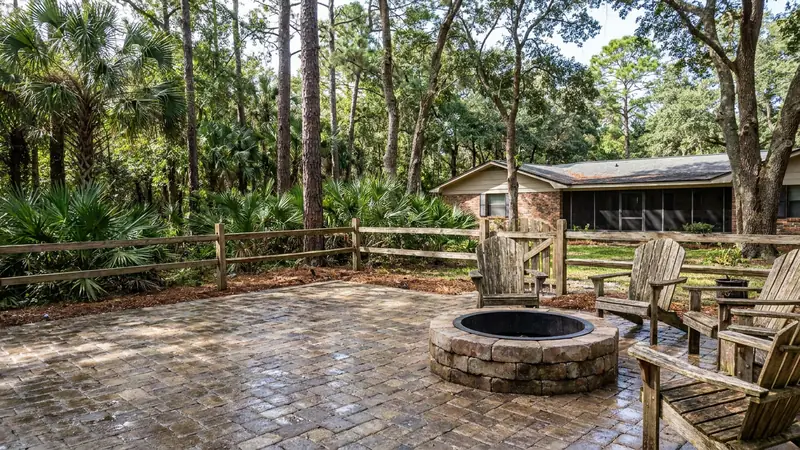
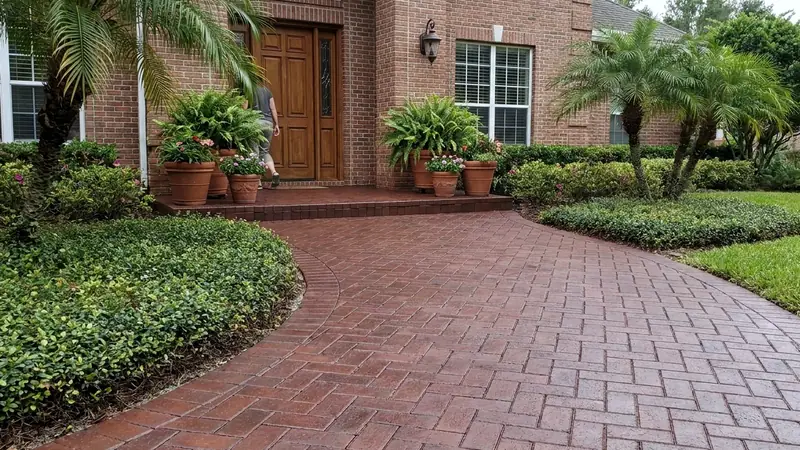
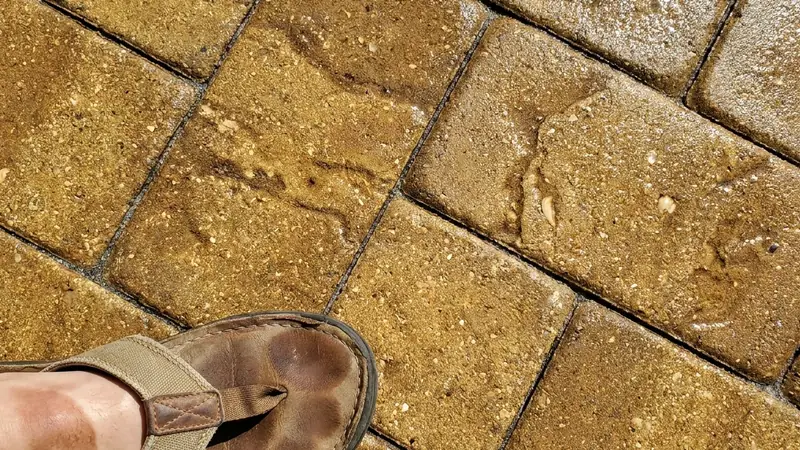
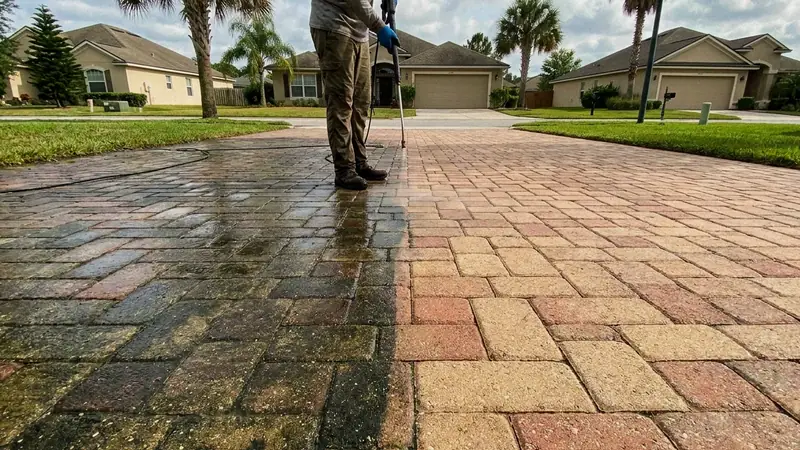
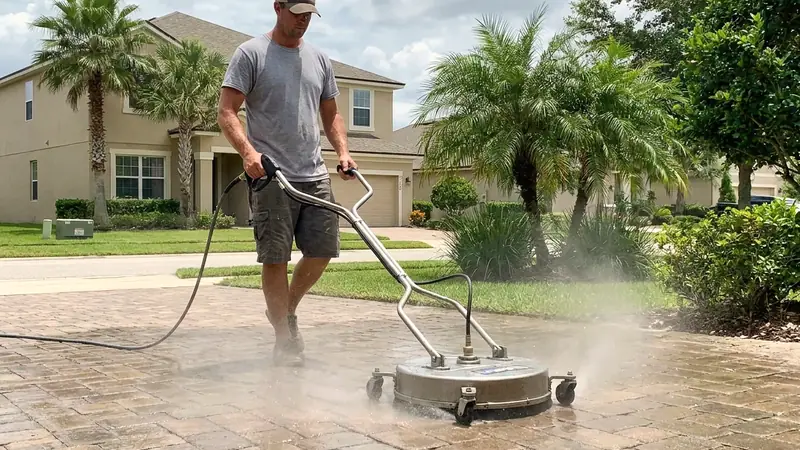
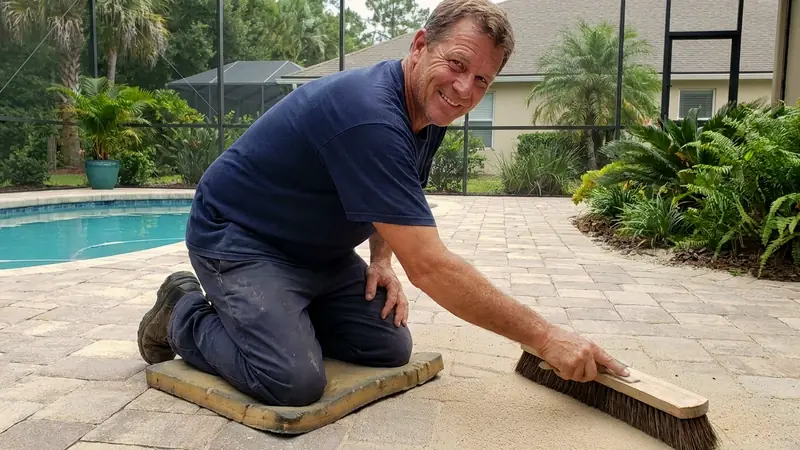
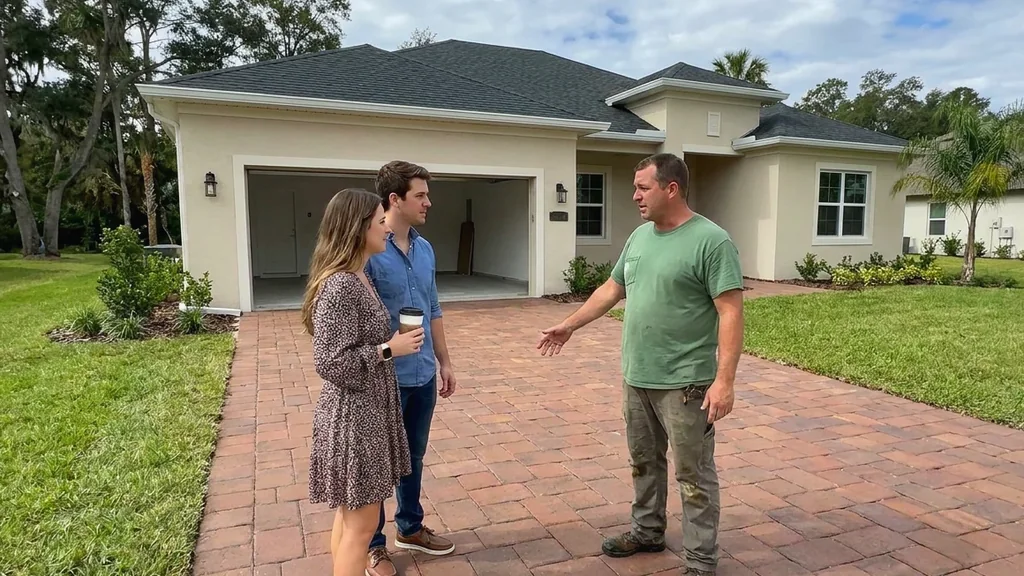
What do sealed pavers look like around San Marco?
Why local matters in San Marco
A contractor who works San Marco has seen brick, stone and concrete pavers side by side, often in a single yard. That experience helps in picking which product goes where, and in explaining why. To reach a contractor used to the older streets south of Downtown, call (904) 590-4776.
Trees come into it as well. Belmonte Park is surrounded by oaks, and Landon Park is shaded by magnolias and oaks, so shade is part of the setting here. A local contractor plans extra cleaning and extra drying for shaded yards. You can request a free estimate and ask how shade changes the plan.
Tight lots mean tight access. A contractor used to San Marco's gates and courtyards brings the right gear and plans the order of work to keep prep time down. That keeps the price closer to the published range. If you want to see how that looks for your lot, request a free estimate, with no obligation.
Which San Marco landmarks can I use to describe my address?
San Marco Square is a triangular district at Atlantic Boulevard, Hendricks Avenue and San Marco Boulevard. The Mediterranean Revival San Marco Building of 1927 was its first commercial building, and the Art Deco San Marco Theatre opened in 1938. Balis Park is part of the Square too. Give the nearest of these names when you request a free estimate, and your street is easy to place.
Marco Lake was once a clay pit for the Gamble and Stockton Brick Company. When the brickyard moved in September 1925, the pit was kept as a water feature about a quarter mile long. Fletcher Park, at Atlantic Boulevard and Belote Place, began as a World War I housing project completed in April 1919. If your street is near one of these, call (904) 590-4776 and say so.
Frequently Asked Questions
Does sealing pavers in Florida pay off, and in San Marco in particular?
Mostly yes. Sealer slows fading, holds joint sand in place and makes later cleaning easier. San Marco's shaded courtyards benefit, since shade keeps surfaces damp. It does not fix sunken pavers, which are reset first.
Does a San Marco job clean, sand and seal pavers together?
Yes, a full job covers all three. The contractor washes the surface, refills the joints with sand and seals once everything is dry. The whole job is usually priced by the square foot. Ask for each step to be listed in the written estimate so you can compare quotes line by line.
What does it cost to seal pavers in San Marco?
Posted prices around Northeast Florida span $1.75 to $3.25 per square foot to clean, sand and seal. A small San Marco courtyard costs more per square foot than a long driveway. Stripping a failed coat adds to the total, so ask for the measured area.
Why is paver sealing so expensive?
Prep is the big line on the bill. In one Jacksonville company's words, each hour of sealing needs two to three hours of prep. Tight gates and small courtyards raise the per-foot price because that prep does not shrink, while larger, open jobs spread the same setup over more surface.
Can old clay brick in San Marco be sealed like concrete pavers?
Not with the same product, as a rule. For old clay brick, a Northeast Florida company suggests a breathable penetrating sealer, because a film coat can trap moisture and cause flaking and haze. For concrete pavers, a film-forming acrylic works. A yard with both may need two products, and the estimate should name each one.
Do I need city approval to seal pavers in a San Marco historic district?
It depends on your address. Jacksonville requires a Certificate of Appropriateness for exterior work in historic districts and on landmarks, and it names driveways as an example. Sealing is not named, so ask city staff and check the Land Development Map before work begins. A short call settles it before any work begins.
How long should I stay off San Marco pavers after sealing?
Cars need about a day. Walking may be fine after a few hours, though the product and the weather can change that. Ask the contractor for the exact window for your product, and move furniture back only when it says the surface is ready.
Why do my San Marco pavers keep turning green?
Shade and dampness are the usual causes. Moss and algae should not grow on concrete pavers unless shade is heavy, a landscape trade source says. A wash clears the green, and sealer makes the next cleaning easier. Trimming back overhanging branches also helps the surface dry, which slows the next round of growth.
Nearby areas we serve
Ready for a Free Estimate in San Marco?
Call (904) 590-4776 and tell us about your pavers.
Free, no obligation